Uses
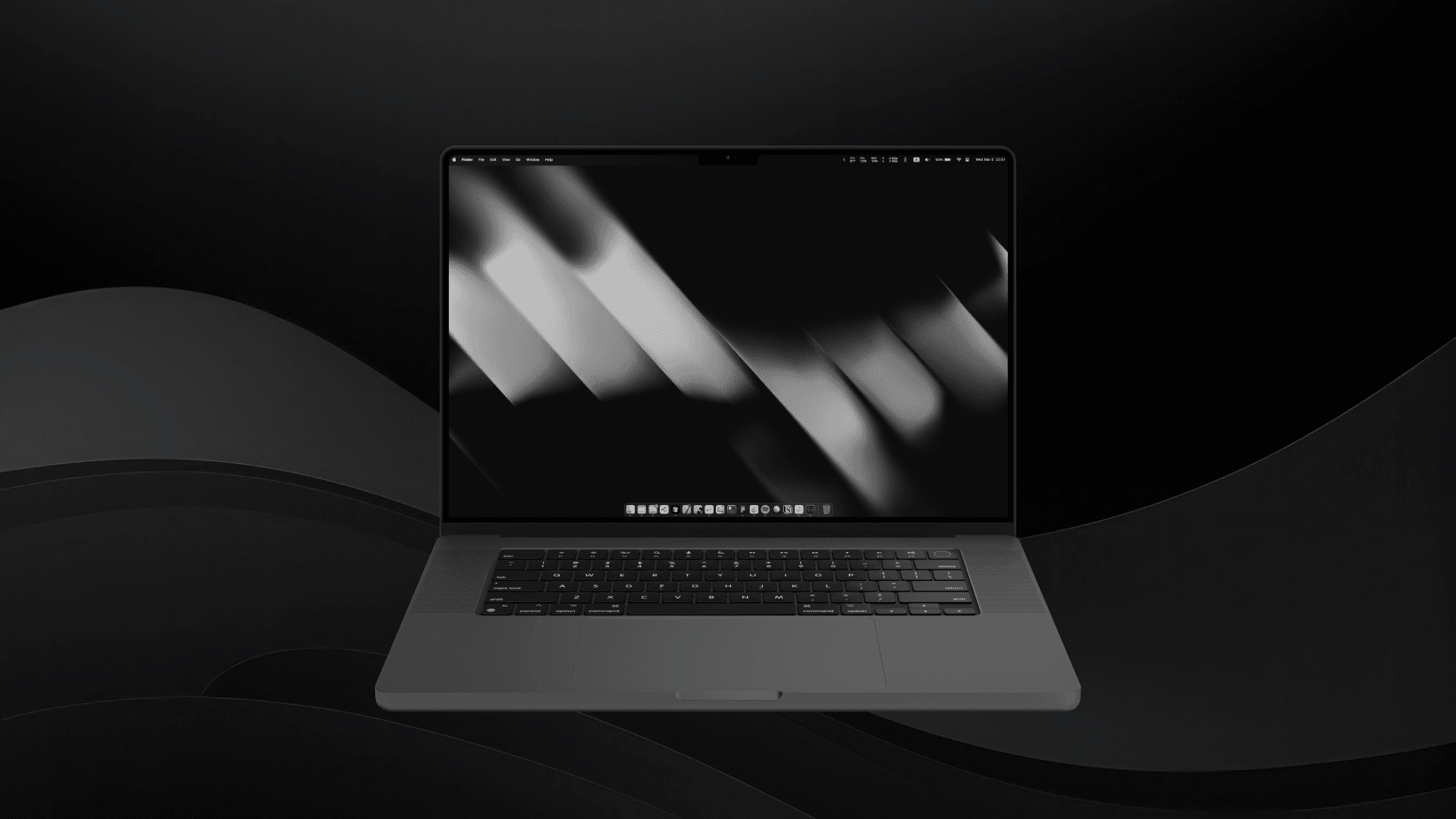
Laptop
Accessories



Gaming PC - Hardware
 LG 27GR75Q-B27 inch 165hz Monitorlg.com(opens in a new tab)
 Logitech G402Mouselogitechg.com(opens in a new tab)
 Keychron K3 ProWireless Custom Mechanical Keyboardkeychron.com(opens in a new tab)
 i5 10400FCPUintel.com(opens in a new tab)
 Gigabyte B460MMotherboardgigabyte.com(opens in a new tab)
 GeForce GTX 1660 SUPERGraphics cardmsi.com(opens in a new tab)
 WD Blue M.2 SN550500GB SSDamazon.com(opens in a new tab)
 WD 1TB 7200RPMStorageamazon.com(opens in a new tab)
 Cooler Master H410RCoolercoolermaster.com(opens in a new tab)
 FSP 700WPower Supply, 80+ Bronzefsplifestyle.com(opens in a new tab)
 Corsair VENGEANCE LPX 32GBRAMcorsair.com(opens in a new tab)
 Cooler Master MasterBox MB520 MeshCaseamazon.com(opens in a new tab)
Homelab
Status: planned, not built. Nothing in this section is running yet — it is a costed build sitting at pre-purchase, and every dollar figure is an early-2026 estimate. It is listed because a
/usespage is worth reading only if it says what is actually true, and "on the bench, not on the shelf" is a true thing to say. When parts land this moves from planned to current.
One always-on Linux box doing three jobs at once: a local LLM inference server (the reason it exists), an SSH dev/build workstation the laptop becomes a thin client for, and a 24/7 host for the queues, cron and self-hosted services that have to survive travel. The jobs coexist because they lean on different resources — inference is VRAM-bound, builds and services are CPU/RAM/disk-bound.
Explicitly not a gaming machine: no Windows partition, no X3D cache, no frame-rate trade-offs. Every choice below optimises for big-model VRAM, low idle power, and being recoverable from another city.
- VRAM target
- 48GB
- 2 × 24GB, staged
- Largest model
- 70B
- at 4-bit quant
- Uptime
- 24/7
- headless, tailnet-only
- Base build
- ~$3.4K
- before GPU #2
Planned build
| Component | Planned pick | Why this one |
|---|---|---|
| GPU (now) | 1 × used RTX 3090, 24GB | Best VRAM-per-dollar; the unit of expansion |
| GPU (later) | +1 × RTX 3090 → 48GB | 70B-class at 4-bit needs ~40GB+; 32GB does not fit it |
| CPU | Ryzen 9 9900X (12c/24t) | Sized for parallel monorepo builds, not for inference |
| Motherboard | ASUS ProArt X670E-Creator WiFi | ECC-validated, two x16 slots running x8/x8 |
| RAM | 96GB DDR5-5600 ECC UDIMM (2 × 48GB) | ECC earns its keep on a box up for months |
| OS NVMe | 2TB Gen4, TLC with DRAM cache | Repos, node_modules and container images live here |
| Data NVMe | 2TB Gen4 | models/ plus build scratch — a 70B Q4 is ~40GB by itself |
| PSU | 1200W ATX 3.1, 80+ Platinum, ≤180mm | Dual-3090 transients; 180mm is the case’s hard cap |
| Case | Corsair 3500X RS-R ARGB | The one aesthetic concession; the thermal plan works around it |
| CPU cooler | Noctua NH-D15 (165mm air) | No pump to fail on a machine that never turns off |
| UPS | ~1500VA line-interactive, USB | Graceful shutdown instead of a crash mid-write |
| Out-of-band | PiKVM v4 | Power-cycle, reach BIOS and reinstall while travelling |
Planned software stack
- Ubuntu 24.04 LTS
- NVIDIA driver + CUDA
- Docker + NVIDIA Container Toolkit
- Ollama
- vLLM
- llama.cpp
- Tailscale
- systemd
- tmux
- mise
- Postgres
- Redis
- Qdrant
- nut / apcupsd
- Netdata
The four decisions behind it
- 48GB beats 32GB. Two used 24GB cards hold a 70B-class model at 4-bit; one new 32GB card does not, and costs more per gigabyte. So the platform — PSU, board lanes, case, cooling — is sized for two cards on day one and populated with one.
- Idle power sets the bill, not peak. The box is rarely at its ~850W sustained draw and
always at idle, so the platform is AM5 rather than HEDT, the PSU is high-efficiency, and the
cards get a hard
nvidia-smi -plcap that costs ~5–10% tokens/sec and saves far more heat, noise and money. - The glass front is a known cost. A non-mesh case runs roughly 5–8 °C hotter under sustained GPU load — exactly this workload. It was chosen anyway, so the plan pays for it with bottom and side intake, generous slot spacing, and VRAM-junction temperature alerts.
- Nothing is exposed to the internet. Access is a tailnet only — the model API and SSH over
Tailscale, hardened
sshd, unattended security updates, and out-of-band management for the times when SSH cannot help because the box will not POST.
Coding
 Visual Studio CodeEditorcode.visualstudio.com(opens in a new tab)
 VesperBest VSCode Thememarketplace.visualstudio.com(opens in a new tab)
 XcodeIDEdeveloper.apple.com(opens in a new tab)
 CloudflareDNScloudflare.com(opens in a new tab)
 OrbStackContainerizationorbstack.dev(opens in a new tab)
 GhosttyBest terminal emulatorghostty.org(opens in a new tab)
Software
 1PasswordPassword manager1password.com(opens in a new tab)
 AlcoveDynamic Island for Mactryalcove.com(opens in a new tab)
 ArcThe best web browserarc.net(opens in a new tab)
 ChatGPTThe best AIopenai.com(opens in a new tab)
 CleanShot XThe best screenshot appcleanshot.com(opens in a new tab)
 DiscordCommunication tooldiscord.com(opens in a new tab)
 FigmaDesign toolfigma.com(opens in a new tab)
 IINAModern media playeriina.io(opens in a new tab)
 IcePowerful menu bar managericemenubar.app(opens in a new tab)
 KarabinerKeyboard customizerkarabiner-elements.pqrs.org(opens in a new tab)
 KekaFile archiverkeka.io(opens in a new tab)
 LinearIssue trackinglinear.app(opens in a new tab)
 MotrixDownload managermotrix.app(opens in a new tab)
 Parallels DesktopVirtual machineparallels.com(opens in a new tab)
 RaycastProductivity toolraycast.com(opens in a new tab)
 Screen StudioBeautiful screen recordings appscreen.studio(opens in a new tab)
 SpotifyDigital music servicespotify.com(opens in a new tab)
 SuperchargeElevate your Mac experiencesindresorhus.com(opens in a new tab)